
Wake time consistency, gradual shifts, and strategies to reduce “social jet lag” between weekdays and weekends.
Educational content only — not medical advice. We do not sell treatments or supplements. Editorial standards · Terms.
Your circadian clock anchors more strongly to when you get up than when you lie down. Choose a wake time you can honour Monday through Friday—even if bedtime wobbles at first. After a week of fixed rising, many people notice sleepiness arriving earlier without forcing it.
Calculate backward: if you need roughly seven and a half hours in bed and take twenty minutes to fall asleep, lights out might land around ten hours after wake. Adjust in fifteen-minute increments every three to four nights when shifting earlier or later.
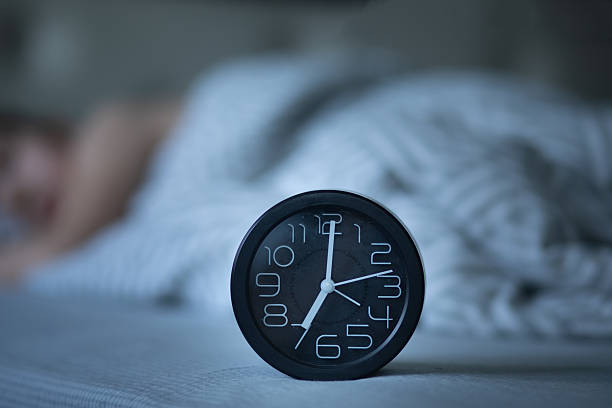
Social jet lag—sleeping in two hours on Saturday—can feel like flying to Lisbon and back each week. Limit weekend lie-ins to thirty or forty-five minutes beyond your weekday wake. If you stayed up late for an event, still rise near the usual time and use a short early-afternoon nap rather than a marathon morning in bed.
Track mood and focus at 10 a.m. and 3 p.m. in a simple notebook. Patterns reveal whether your schedule supports you better than total hours alone.
Night owls moving earlier should combine morning outdoor light, earlier meals, and dim evenings. Morning larks who need later bedtimes for shift work may use sunglasses on the commute home and delay bright light until their “morning.”
Some sleep education resources suggest leaving the bed for a calm, low-light activity if you remain awake for a while, then returning when drowsy. For ongoing difficulties falling or staying asleep, speak with your GP for advice suited to you.
Treat them like weekends: modest lie-in, same wind-down, morning light the next day. One late night is easier to recover from than three.
Sudden schedule changes can affect alertness when driving. If you feel dangerously sleepy, postpone driving and rest. Shift workers with rotating patterns should consult occupational health resources for rotation strategies.
| Day | Wake | Wind-down starts | Target lights out |
|---|---|---|---|
| Mon–Thu | 6:30 | 21:00 | 22:30 |
| Friday | 6:30 | 21:30 | 23:00 |
| Saturday | 7:15 | 22:00 | 23:30 |
| Sunday | 6:45 | 21:00 | 22:30 |
Adapt times to your commitments; many people find it helpful to keep wake times within a forty-five-minute band across the week. Individual experiences vary.
Daytime habits guide