Timing
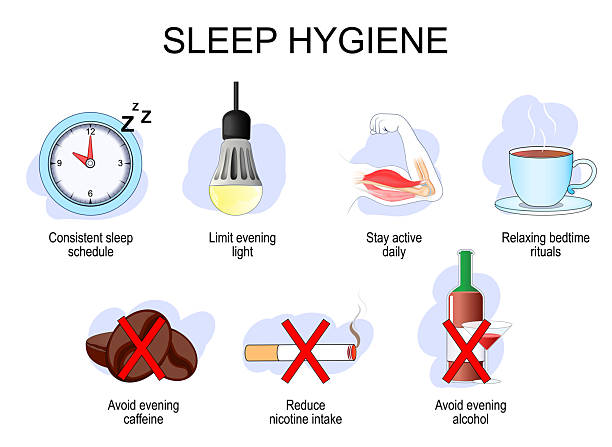
Pick a wake time you can keep five days a week, then set bedtime based on how long you usually need to fall asleep plus your target sleep duration. Shift by fifteen-minute steps.

Free educational guides on building a calmer evening routine and steadier schedule — written for UK readers. General lifestyle information only; individual experiences vary.
Explore evening routinesMany sleep education resources describe an internal body clock that responds to light, meal timing, movement, and consistency. When bedtimes vary a lot across the week, some people report feeling less rested in the morning or finding it harder to concentrate during the day. Public guidance often notes that a regular sleep–wake pattern can be one factor in how rested people feel, alongside many other lifestyle elements.
Adjusting habits does not mean perfection. Many people find it helpful to narrow the gap between weekday and weekend bedtimes, protect a wind-down window, and change routines gradually. Small steps—such as dimmer lights after sunset or a consistent wake time—may feel more sustainable than large changes over a few days.
On this site you will find structured guides on evening routines, bedroom setup, wake times, and daytime habits. Content is written in plain English for readers in the United Kingdom. It is educational only and is not a substitute for advice from your GP or another qualified professional.
A consistent environment supports predictable sleep cues.
Pick a wake time you can keep five days a week, then set bedtime based on how long you usually need to fall asleep plus your target sleep duration. Shift by fifteen-minute steps.
Get outdoor light within an hour of waking. After dusk, favour warm, low lamps. Screens are brightest an hour before bed—reduce brightness or use night modes.
Repeat the same short sequence nightly: stretch, journal, herbal tea, or quiet reading. Repetition tells your nervous system that sleep is approaching.

Think of the last ninety minutes as a runway, not a cliff. Start by finishing stimulating tasks—email, intense workouts, heated debates. Move to low-effort activities: tidying tomorrow’s bag, laying out clothes, or a warm shower that drops core temperature afterward.
Keep caffeine cut-off flexible but informed: many adults in UK studies report sleep disruption when consuming coffee after mid-afternoon. Alcohol may help you drift off faster but fragments later sleep stages—worth noting if you track how you feel at 3 a.m.
Content here supports general wellbeing literacy. It does not replace assessment by a qualified clinician. If you experience loud snoring with gasping, acting out dreams, or overwhelming daytime sleepiness despite adequate time in bed, speak with your GP or NHS 111 for guidance.
Sleep education resources and public health bodies commonly mention themes such as regular sleep–wake timing, a cool and dark bedroom, and managing evening screen use. Worry or planning at night is also frequently discussed as a factor that can make it harder to relax.
Individual sleep need differs. Notice how you feel during the day rather than aiming for a fixed number of hours because an article suggests it.
Morning daylight is widely discussed in circadian rhythm education. Bright light late in the evening may make it harder to feel sleepy for some people. In darker UK winters, a short morning walk outdoors is a commonly suggested habit; any light device should be used according to the manufacturer’s instructions.
Free online information sessions on sleep habits (no products sold at events). All times are UK (GMT/BST). Register via the contact page; any future paid session will show the price before you book.
| Date | Event | Format |
|---|---|---|
| 12 June 2026 | Building a 90-Minute Wind-Down | Live webinar |
| 3 July 2026 | Summer Light & Later Sunsets | Q&A workshop |
| 18 September 2026 | Back-to-Routine Autumn Schedule | Guided planning session |
| 14 November 2026 | Winter Bedrooms: Heat & Humidity | Interactive workshop |
Some readers report feeling more settled after one to two weeks of a consistent wake time; others need longer, especially when shifting by more than an hour. Experiences vary. Avoid large weekend delays if you are trying to stabilise your pattern.
A brief nap before 3 p.m. (around twenty minutes) can take the edge off without stealing night-time sleep pressure. Long or late naps often make it harder to fall asleep at your target bedtime.
E-readers with warm, dim settings are usually less disruptive than bright phones. If you use a tablet, enable night mode and hold it farther from your face. Paper books remain a reliable low-stimulation option.
Some sleep education resources suggest getting up for a quiet, dim activity if you remain awake for a while, then returning when drowsy. Keep clocks turned away if clock-watching is unhelpful. For ongoing difficulties, speak with your GP.
No. We publish free lifestyle guides only. We do not sell medicines, melatonin, devices, or personalised treatment plans. See our About page for full details.
This website is operated from Birmingham, United Kingdom, by Flushingflora.world (Company Reg. 13829476). All main guides are free. We may show third-party advertising; sponsored content, if ever used, will be clearly labelled.
Articles discuss general lifestyle habits. They do not diagnose conditions, prescribe treatments, or promise specific results. Always consult a qualified professional for personal health decisions. In an emergency, call 999; for non-urgent NHS advice, call 111.
Consider one small action—such as a consistent wake time, a short stretch, or moving chargers away from the bed—and note how you feel over several days. You may add another step from our guides when the first feels familiar. Results differ from person to person.